Your vehicle’s advanced driver assistance systems (ADAS) could become dangerously inaccurate after a windshield replacement. Many drivers don’t realize that ADAS adjustments are important safety procedures during glass repairs.
How ADAS Systems Work and Why They Matter
Advanced Driver Assistance Systems (ADAS) operate through a complex network of sensors, cameras, and radar that monitor your vehicle’s surroundings. These components detect potential hazards and take automatic action or alert you to prevent accidents.
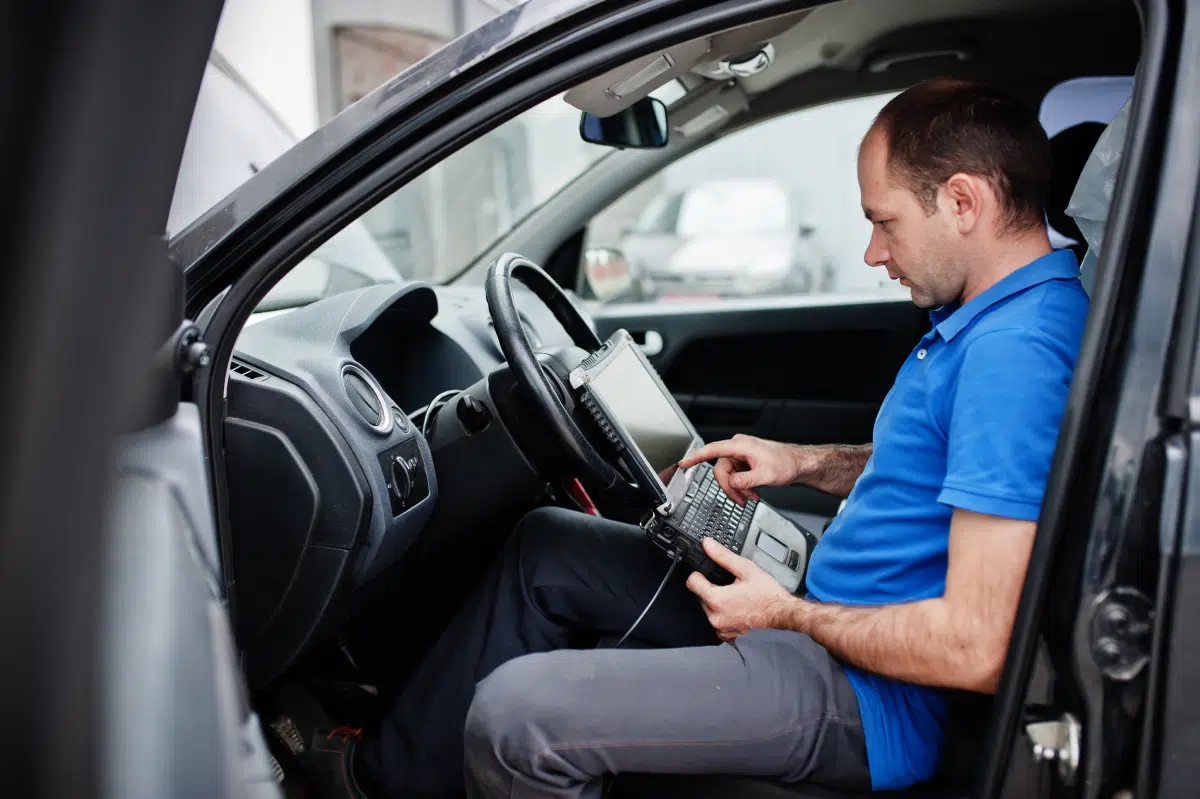
Your vehicle’s ADAS suite comes with multiple safety features for different purposes. The Automatic Emergency Braking system spots potential collisions and applies brakes to reduce rear-end crashes by up to 50%. Your car’s Lane Departure Warning system keeps track of lane markings and alerts you about drifting while the Adaptive Cruise Control uses radar or lidar technology to maintain safe following distances.
The impressive safety benefits rely on proper system calibration. Six Flags Glass will give you a proper ADAS camera calibration that meets manufacturer specifications after windshield replacement. Small misalignments can make these life-saving systems unreliable or inoperative. Your windshield’s sensors need proper calibration to detect obstacles accurately, or you might be at risk despite having this advanced safety technology.
How Glass Repair Affects ADAS Calibration
Your windshield replacement involves lining up precise technology. Taking out and putting in a new windshield affects how ADAS components are mounted. The system’s performance can suffer from the smallest move, a fraction of a millimeter.
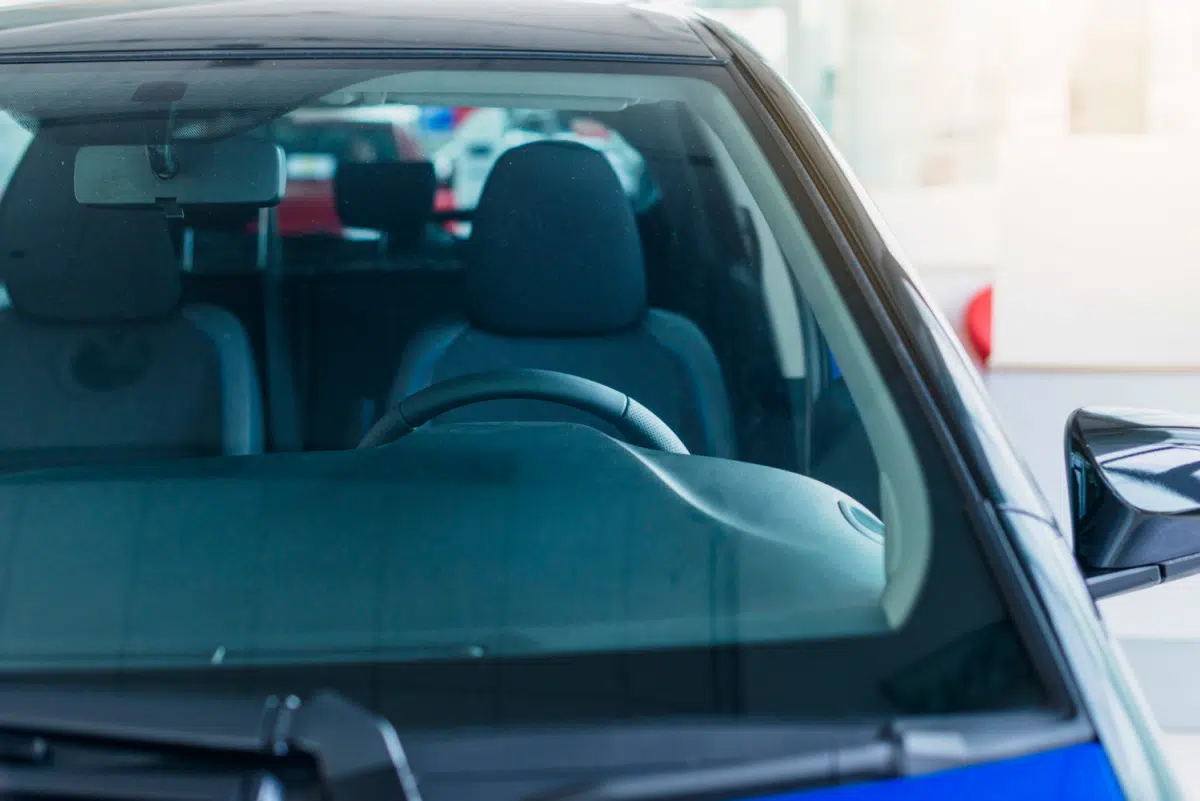
The numbers tell a troubling story. More than 70% of ADAS repairs linked to glass work are done wrong or not done at all. This creates major safety risks. Sensors that don’t line up properly can make lane keeping systems pull off-center. Your collision warnings might come too early or too late.
ADAS problems won’t show up on your dashboard like other car issues. Your safety systems could be compromised for weeks without you knowing it. You can’t spot bad calibration by just looking. You need special equipment!
Six Flags Glass knows how glass repair and ADAS systems work together. Our professional ADAS camera calibration brings your systems back to factory settings. This ensures they work correctly and give you the protection you need every day.
The ADAS Calibration Process After Glass Repair
Your ADAS calibration starts right after windshield replacement. This technical process will give your vehicle’s safety systems the ability to work at their best.
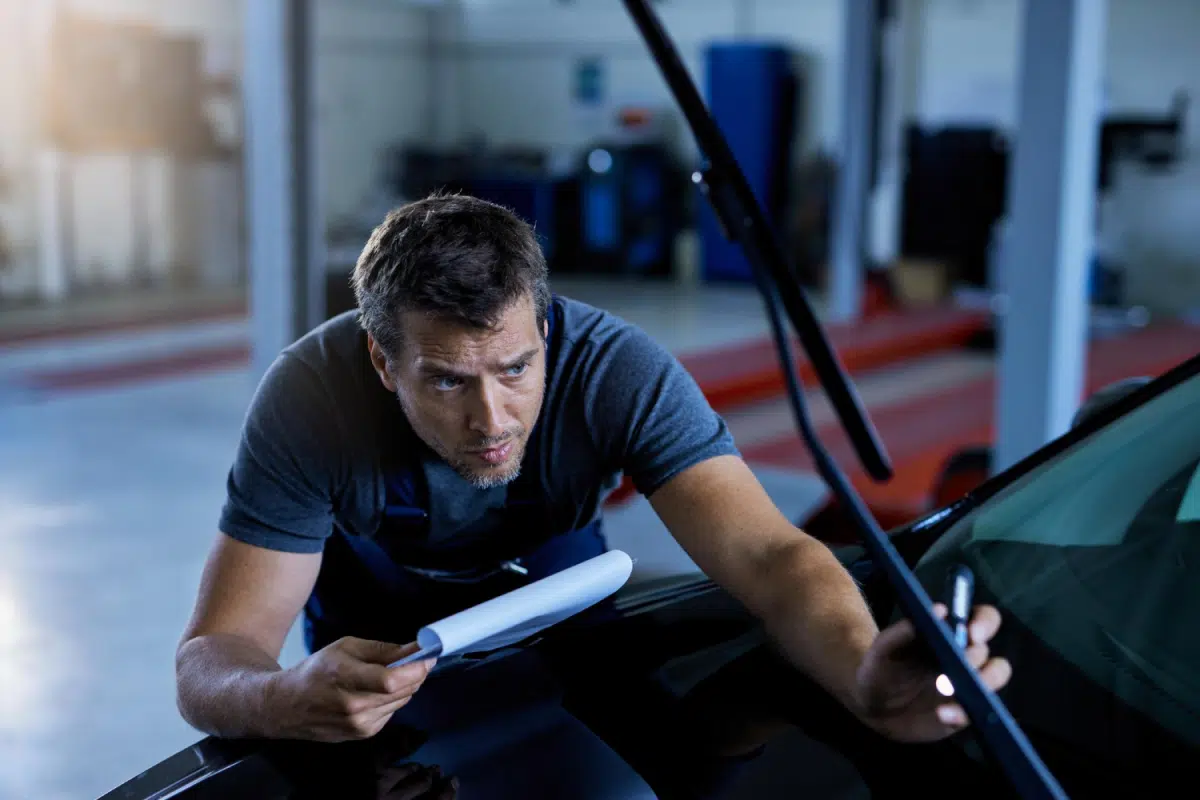
Cameras and sensors mounted on or near the windshield power safety features in today’s vehicles. That’s why they need recalibration after windshield replacement. The calibration process uses two main methods!
Static calibration happens in a controlled setting where technicians place the vehicle at an exact distance from special calibration targets. They connect diagnostic software to your vehicle’s onboard computer to communicate with the ADAS system. The setup must be precise. The vehicle needs to be perfectly level and lined up correctly.
Dynamic calibration needs you to drive the vehicle under specific conditions. This lets the system recalibrate using real-life data. Technicians must follow the manufacturer’s exact rules about speed, distance, and environmental conditions. Some vehicle models need both static and dynamic calibration.
Do You Need ADAS Calibration?
Six Flags Glass knows the link between proper glass installation and ADAS functionality. Our licensed technicians complete static and dynamic calibration procedures that match manufacturer specs. This careful process will give your vehicle’s safety systems the best performance after any glass repair. Contact us today to schedule an appointment!
ADAS Calibration FAQs
Is ADAS calibration necessary after windshield replacement?
Yes, ADAS calibration is crucial after windshield replacement. Even minor changes in glass thickness or positioning can misalign the sensors and cameras, potentially compromising the functionality of important safety features like adaptive cruise control and emergency braking.
What are the risks of driving without ADAS calibration after glass repair?
Driving without proper ADAS calibration after glass repair can be dangerous. Your vehicle’s safety systems may give false warnings, fail to detect real hazards, or operate incorrectly. This puts you and your passengers at unnecessary risk, as these systems are designed to prevent accidents and protect you on the road.
How does the ADAS calibration process work?
The ADAS calibration process typically involves two methods: static and dynamic calibration. Static calibration is performed in a controlled environment using specialized targets, while dynamic calibration requires driving the vehicle under specific conditions. Both methods ensure that the ADAS sensors and cameras are accurately aligned and functioning correctly.
Can I tell if my ADAS systems are miscalibrated?
Unfortunately, ADAS misalignment usually doesn’t trigger dashboard warning lights, making it difficult to detect without professional equipment. You might drive for an extended period without realizing your safety systems are compromised, which is why professional calibration after windshield replacement is so important.
How long does ADAS calibration take after windshield replacement?
The duration of ADAS calibration can vary depending on the vehicle make and model, as well as the specific systems that need calibration. Generally, the process can take anywhere from 1 to 3 hours. It’s best to consult with your auto glass professional for a more accurate estimate based on your specific vehicle.