
A small windshield chip can look harmless, but it can spread quickly across the glass if moisture, heat, vibration, or dirt gets inside. Many drivers see an inexpensive DIY windshield repair kit and wonder if it is enough. Sometimes a kit can improve the look of a tiny, clean chip, but there are real limits to what consumer-grade resin can do.
Professional windshield chip repair is different because it uses controlled vacuum pressure, high-grade UV-cured optical resin, and proper curing equipment. At Six Flags Glass in Victoria, Texas, we help drivers decide whether a chip can be repaired safely or whether the glass needs replacement.
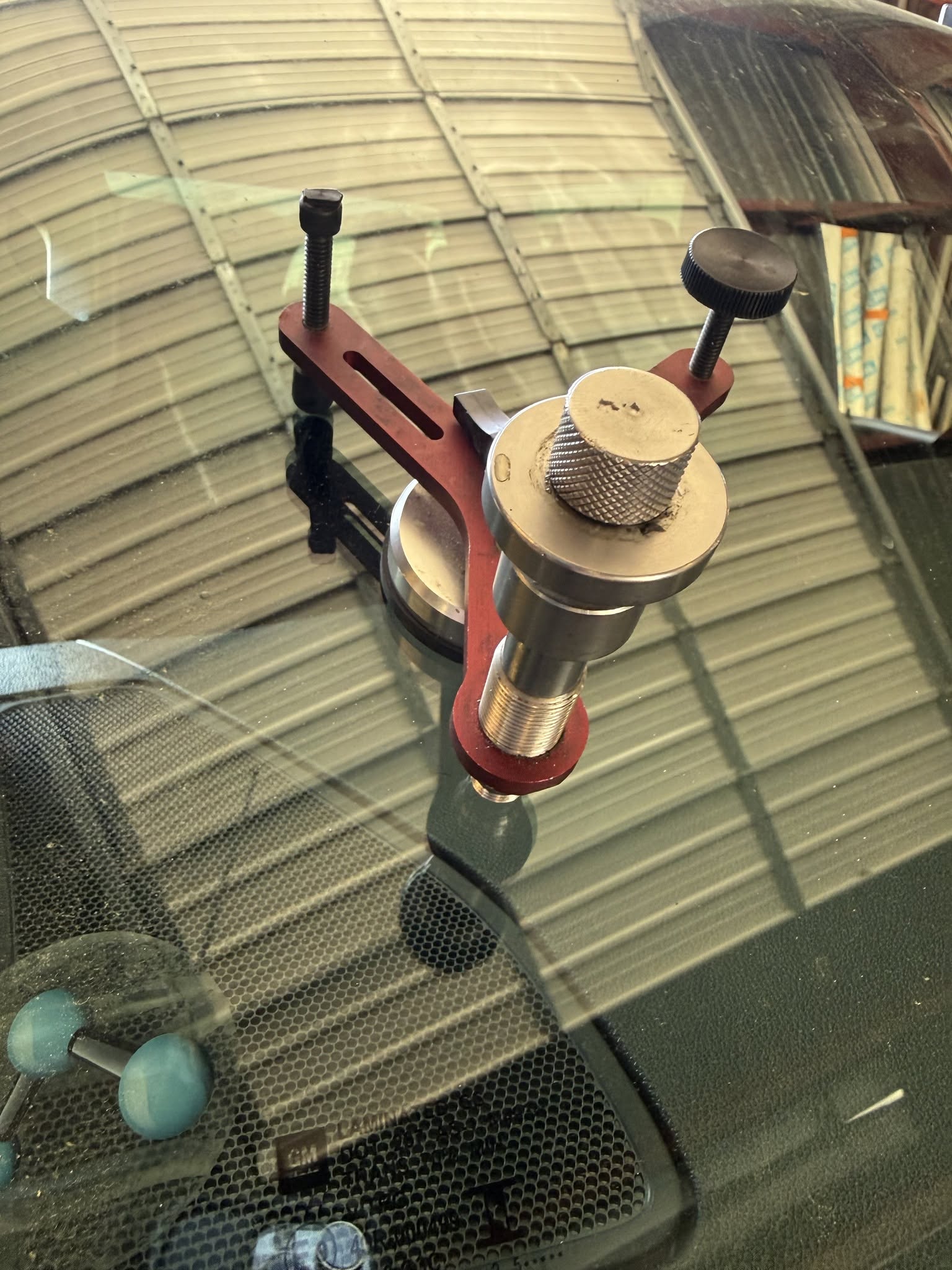
How DIY kits work (basic resin pushed in by hand) and their limitations (only work on very small, clean chips; usually achieve only 60-70% visual improvement).
Most DIY kits use a small bridge or suction tool to push resin into the chip by hand. The driver cleans the area, places the tool over the damage, adds resin, applies pressure, and lets the resin cure in sunlight.
DIY kits usually only work on very small, clean chips and usually achieve only 60-70% visual improvement. They cannot reliably remove trapped air and moisture before resin is injected, and the result depends heavily on the user’s technique, temperature, sunlight, and timing.
How professional repair works (vacuum injection removes trapped air before high-grade UV-cured optical resin is injected; restores 90-95% of structural strength).
A professional repair starts with inspection. The technician looks at the size, location, depth, and shape of the damage. Not every chip is repairable, and safety matters more than appearance.
If the damage is suitable for repair, professional equipment uses vacuum injection to remove trapped air before high-grade UV-cured optical resin is injected. A proper professional repair can restore 90-95% of structural strength and help stop the chip from spreading.
The Hidden Cost of DIY
The biggest risk of a DIY repair is that if it fails to bond correctly or looks cloudy, a professional cannot fix it later. Once resin cures inside the chip, it cannot simply be removed and redone.
If the resin traps dirt, bubbles, or moisture, the repair may look cloudy and may not bond correctly. At that point, the only option left may be a full windshield replacement.
FAQs
How long does a professional windshield repair take compared to a DIY kit?
A professional repair usually takes 20 to 45 minutes and is cured instantly using an industrial-grade UV lamp. DIY kits often require you to park your car in direct sunlight for an hour or more to cure the ambient-grade resin, which can be difficult to manage in unpredictable weather.
Can I wash my car right after a chip repair?
If a professional handles the repair, yes. Because commercial-grade UV lamps fully cure the resin inside the shop, you can safely wash your vehicle immediately after leaving. If you use a DIY kit, you should wait at least 24 hours to ensure the ambient cure is fully set before exposing it to high-pressure water.
What happens if dirt gets inside my windshield chip?
Contamination is the enemy of a successful repair. Dirt, washer fluid, and rainwater prevent resin from bonding to the glass. Professional shops use specialized vacuums to extract moisture and dirt before injecting the resin. DIY kits lack this vacuum capability, which is why they often trap dirt inside the repair, leading to failure.
Why do DIY repair kits often leave a cloudy mark?
DIY kits rely on manual pressure and consumer-grade resin. If the user fails to push all the trapped air out of the microscopic cracks, or if the cheap resin reacts poorly to the heat, the finished repair will look cloudy, milky, or bubbly.
If my DIY repair fails, can a professional fix it later?
No. This is the biggest risk of using a DIY kit. Once any type of resin is cured inside the chip—even if it is cloudy, bubbly, or fails to stop the crack from spreading—it becomes a permanent part of the glass. A professional cannot drill out bad resin. Your only remaining option will be a full, expensive windshield replacement.