Check Your Insurance Before You Call
Many auto insurance policies cover windshield replacement at little or no out-of-pocket cost under comprehensive coverage. In Texas, your insurer cannot require you to use a specific glass shop. You have the right to choose your own provider.
Before you schedule anything, call your insurer or check your policy to confirm your coverage. Six Flags Glass works directly with insurance companies and can help verify coverage and process the claim on your behalf. Learn more about auto glass services and how insurance works at Six Flags Glass.
If you’re paying out of pocket, ask about repair vs. replacement when you call. Small chips and cracks that haven’t spread may qualify for a repair, which is faster, cheaper, and preserves your original windshield. Not every damaged windshield needs a full replacement. A quick assessment by the technician will determine which applies to your situation.

Find a Good Location for the Work
Whether you’re bringing your vehicle in or requesting mobile service, where the car sits during the replacement matters. Shade or covered parking is better than direct sun. South Texas summers mean surface temperatures can run extremely high on a vehicle in direct sunlight, which affects the adhesive curing process. Ideally, park the car in a garage or under a covered area for the appointment.
If you’re bringing the vehicle to Six Flags Glass at 108 E Airline Rd in Victoria, the team will handle the working environment. If you’re using mobile service, just let the technician know your parking situation so they can plan accordingly.
Clear Out the Dashboard and Visor Area
Anything resting on the dashboard or stored in the sun visor can shift during the removal process. Before your appointment, take out:
- Loose items on the dash: coins, sunglasses, papers, receipts
- Anything tucked into or clipped onto the sun visors
- Toll tags or hanging air fresheners near the top of the windshield
- Dash cameras or GPS devices mounted on or near the windshield
You don’t need to empty the entire vehicle. Just clear the front dash and the area closest to the glass. This gives the technician a clean workspace and avoids anything falling into the dash cavity during removal.
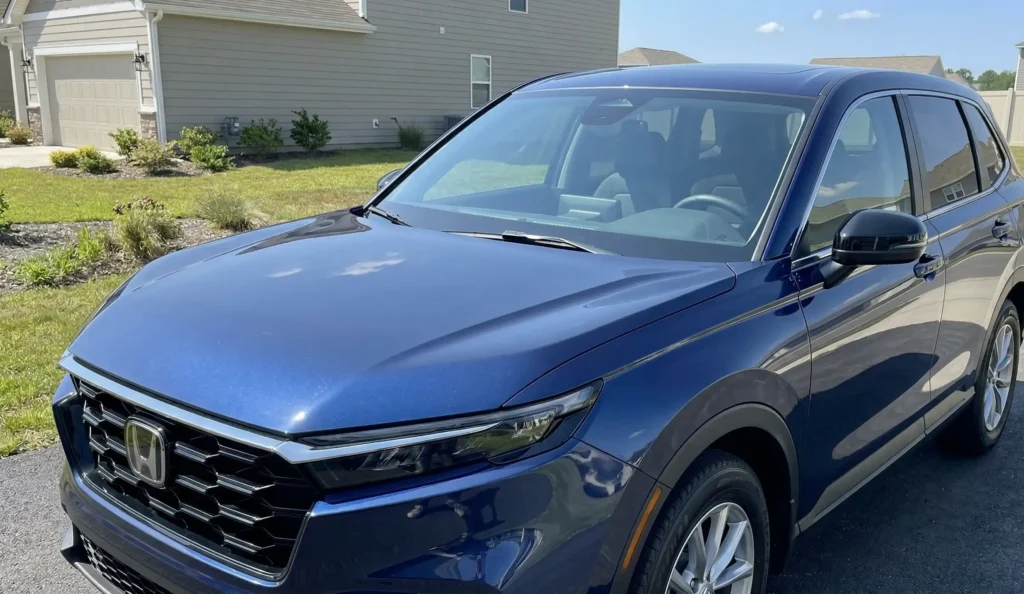
Know Whether Your Vehicle Has ADAS
Advanced driver assistance systems like lane departure warning, adaptive cruise control, forward collision alert, and lane keep assist rely on a camera or sensor mounted at or near the windshield. If your vehicle has any of these systems, the camera needs to be recalibrated after a windshield replacement. This is not optional.
92.7% of new vehicles sold in the US today have at least one ADAS system. Six Flags Glass is certified for ADAS recalibration and handles this as part of the windshield replacement service. When you call to schedule, mention your vehicle’s make and model and the team will confirm what’s needed.
Plan Around the Curing Time
The new windshield is bonded with urethane adhesive that needs time to set. Drive-away time is typically one hour after installation, though the full cure takes 24 to 48 hours. During that window:
- Don’t go through a car wash. Pressure and water can stress the uncured seal.
- Avoid slamming doors. The air pressure change inside the cabin affects the seal while it’s setting.
- Leave a window cracked slightly if parking in direct sun on a hot day
- Leave the retention tape on the molding until your technician says it’s ready to remove
You can drive the vehicle normally after the drive-away time has passed. Highway driving is typically fine the same day. Check with your technician for any specific guidance based on your adhesive and conditions.
What Happens During the Replacement Itself
The technician removes the old windshield by cutting the urethane adhesive along the frame perimeter, then lifts the glass out. The frame is cleaned, primed if needed, and new urethane is applied before the replacement glass is seated and pressed into position. Six Flags Glass uses OEM-quality glass or glass of equal specification. If you want to understand the difference between windshield glass and other auto glass types, this guide to glass types covers laminated auto glass and how it differs from tempered glass used elsewhere on your vehicle.